

ÁTRIUM PARK Miskolc...offices in the middle of a park in the heart of Miskolc.
Silo Lookout info
OPEN:
on Saturday and Sunday
10:00 – 18:00
Ticket prices:
child:
1 500 HUF/pp.
adult:
2 000 HUF/pp.
(Admission is free for children under 6 years old)
Silo Lookout story
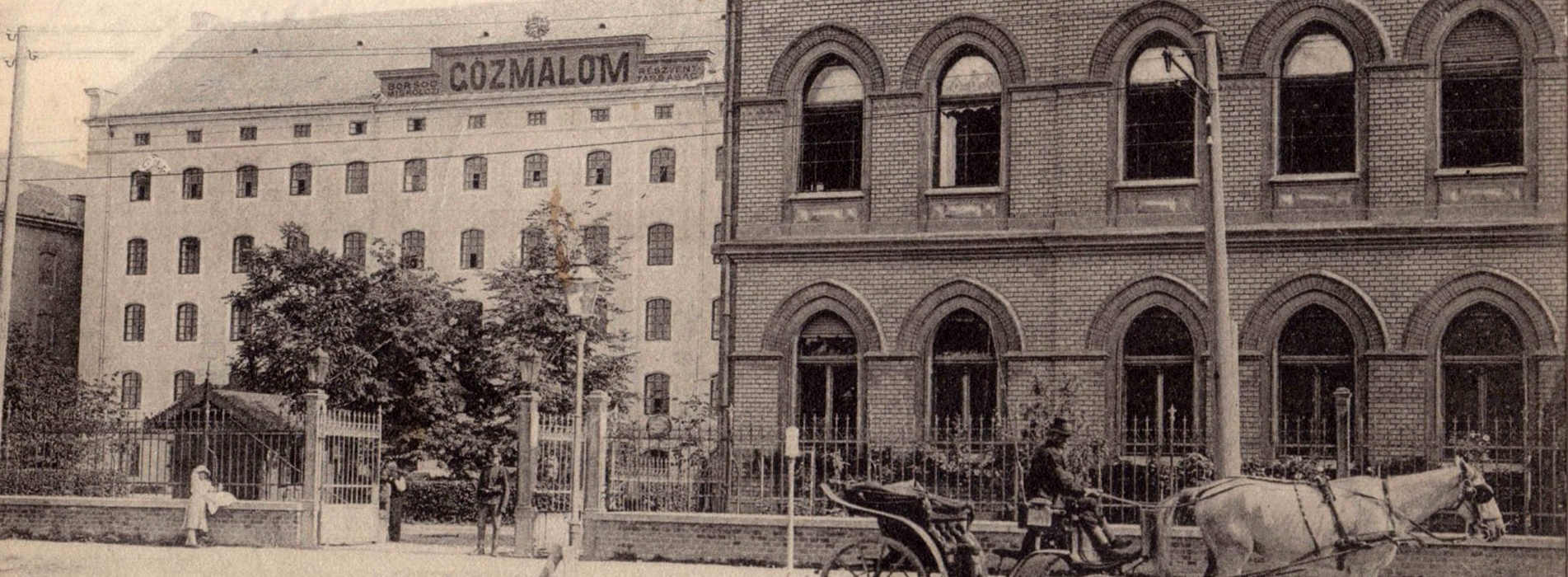
The rebirth of István Mill in Miskolc
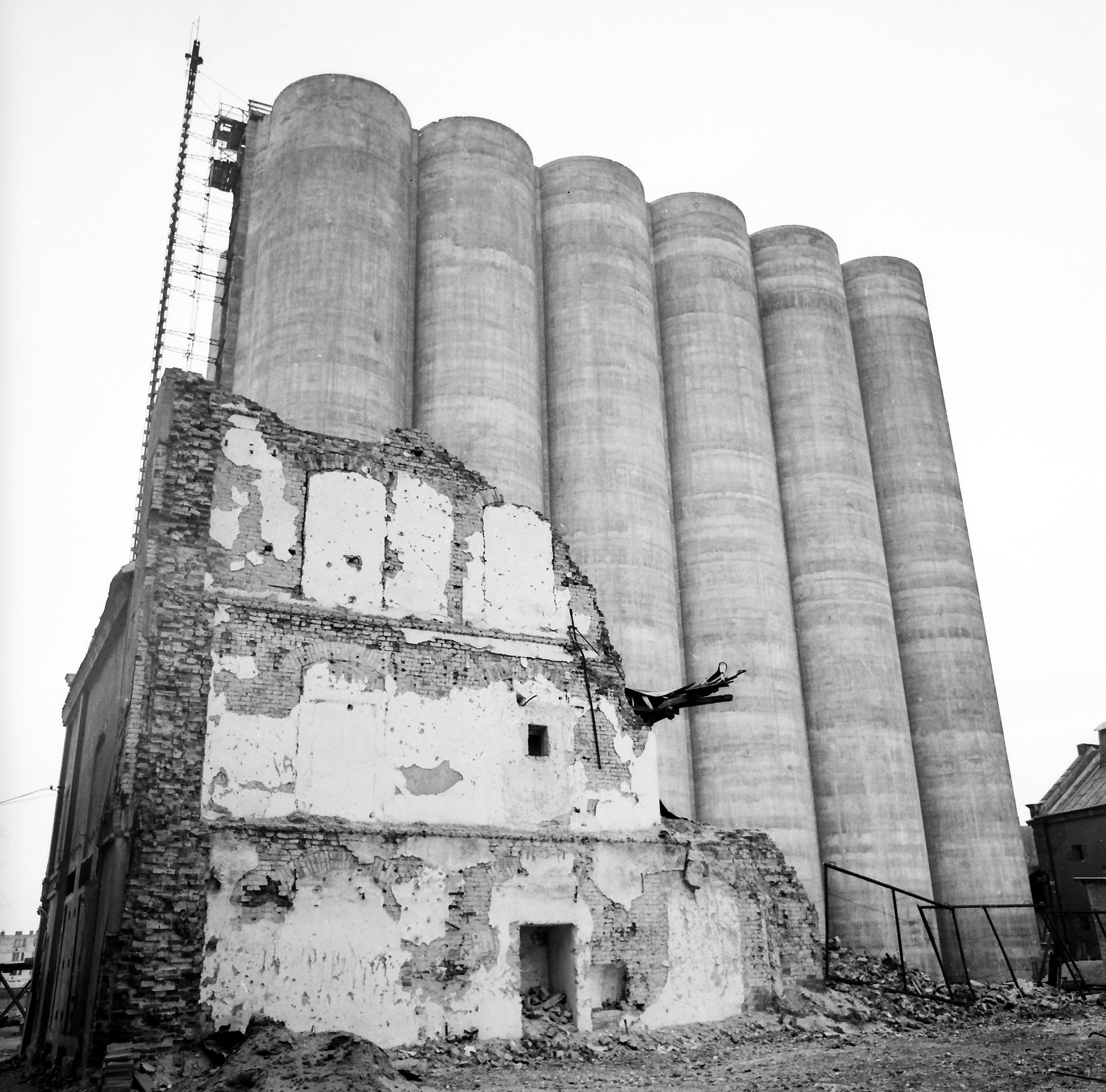
A giant born from ashes
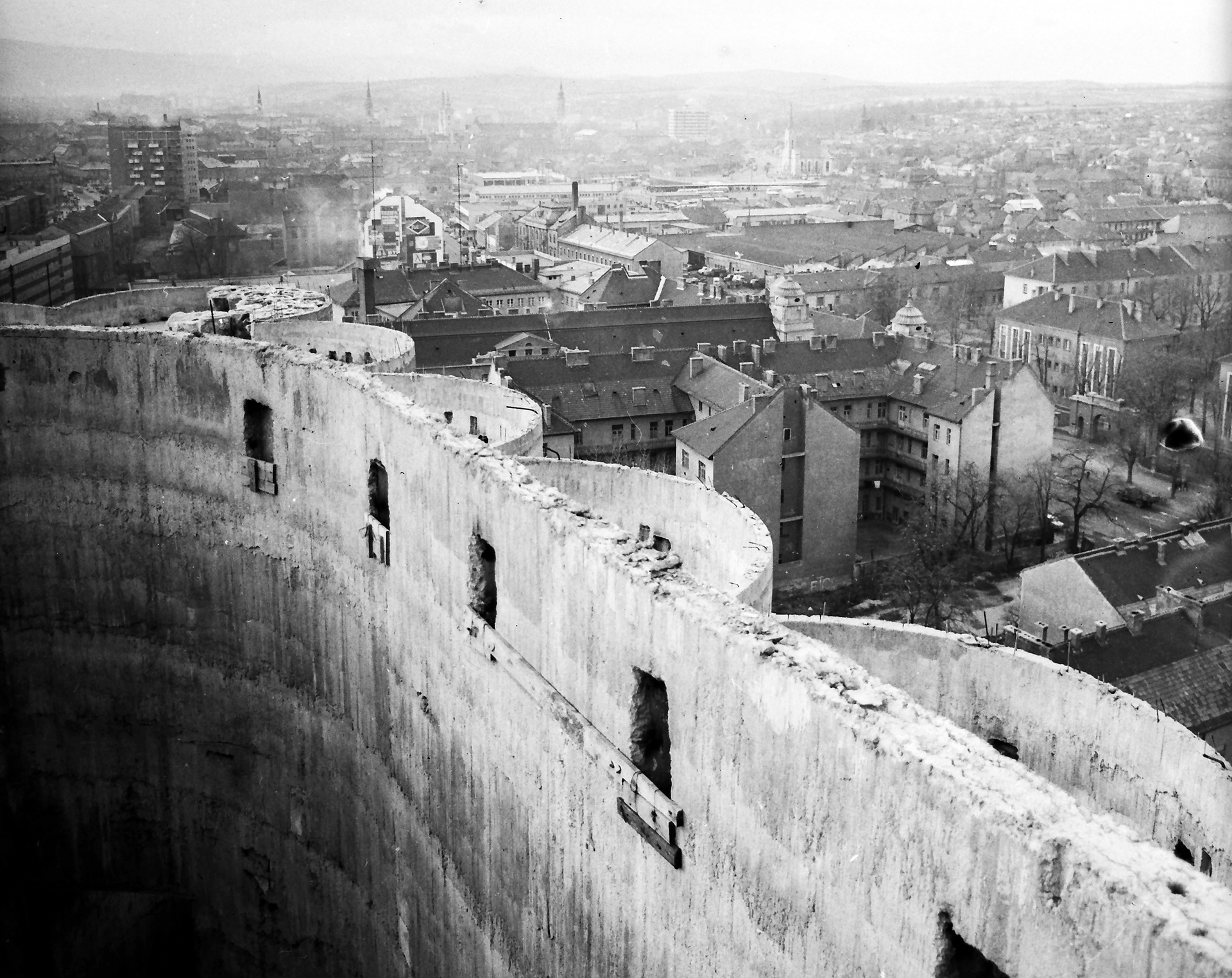
The István Steam Mill burned down in the summer of 1972, according to recollections, with terrible flames. The historic mill was in an unsalvageable condition, and after the fire was extinguished, the organization of its demolition and the creation of a new mill became a priority. The decision to build the current silo and grinding mill had been made before the fire, so the process had to be accelerated. The grain storage was completed by 1975, designed to store 20,000 tons of grain, and was one of the most modern storage facilities of its time. The new mill began operating in 1980.
When technology grows beyond concrete
Unfortunately, the concrete monster could not be really developed as the years went by, the ever-developing food industry technologies surpassed this storage form. The developments would have required such significant costs that it was more economical to create a new site, which, however, was no longer feasible in this area. The Miskolc mill moved to a new site, Tiszapalkonya, and the Zsolcai Kapui site was sold.
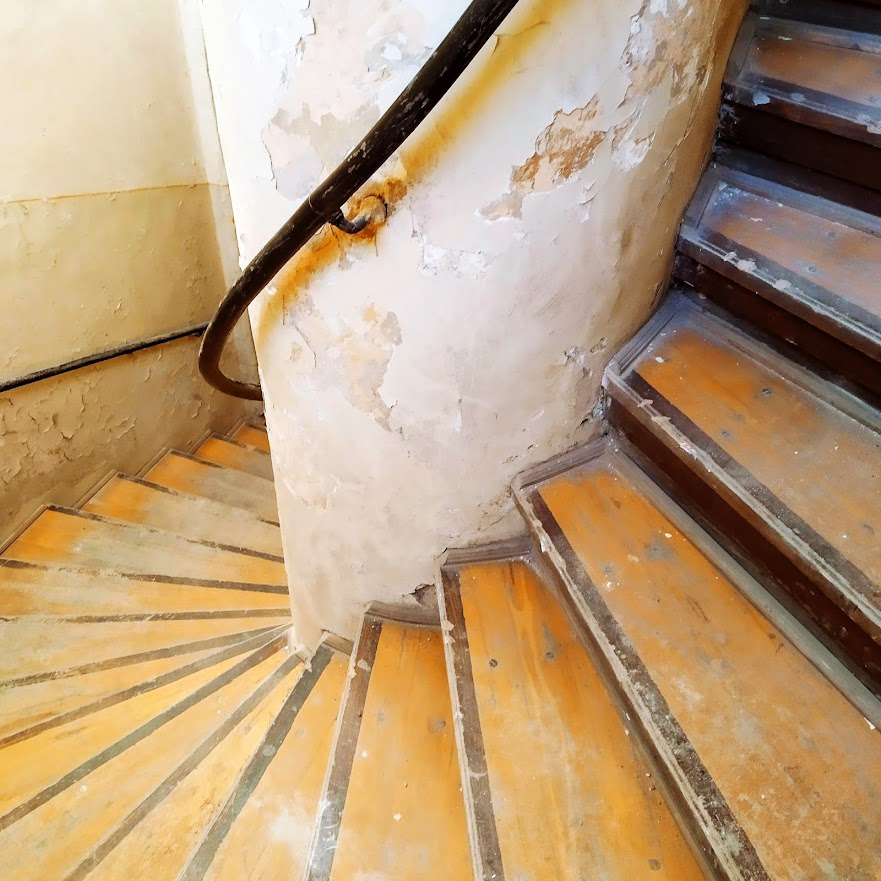
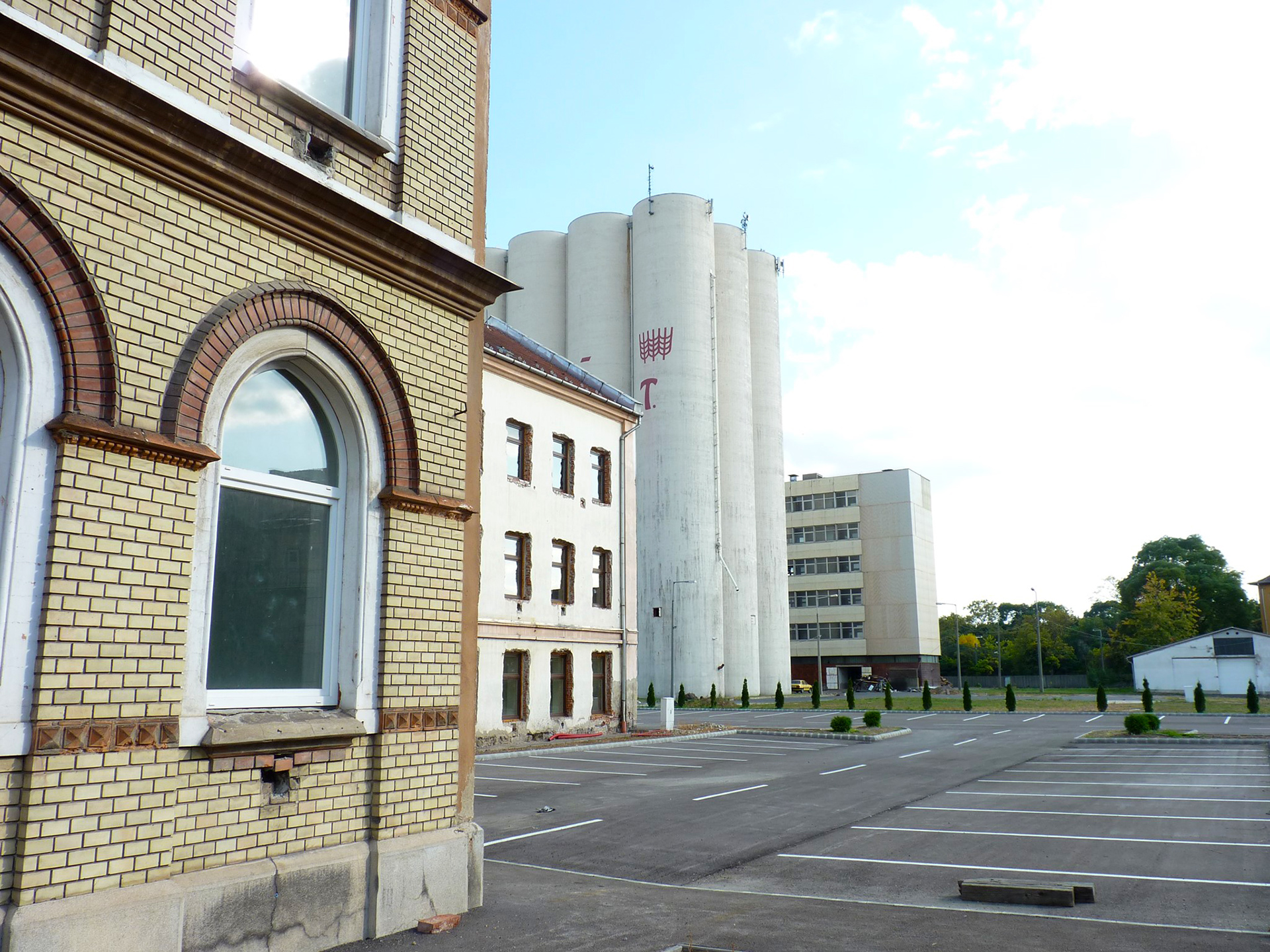
A new panorama of Miskolc from the rust belt
Átrium Zrt. purchased this then very dilapidated, rust belt industrial area as a new investment opportunity, with the aim of utilizing it. A new function had to be found for the gigantic reinforced concrete monster containing 16 cells. Since it became clear during the first visits that the panorama from the top was incomparable, it was certain that a lookout tower had to be created here. The only question was how the 12 floors of mechanical space, the cells, and the basement below could be utilized. In total, it was several hundred square meters, which was challenging in many respects (it was wet, uninsulated, the ceiling was cut through in several places and was full of pigeons).
Decades of work and memories of the past
In the years following the start of the development, the history of the former István Mill began to emerge. According to the accounts of former workers and former residents (!) the mill was not only a workplace, but also a living space and a community space. This is when the idea of the memorial exhibition was born, which gradually expanded with the appearance of more enthusiastic collectors and only the equipment is waiting. Here we are now in 2026, 9 years after the purchase of the area.
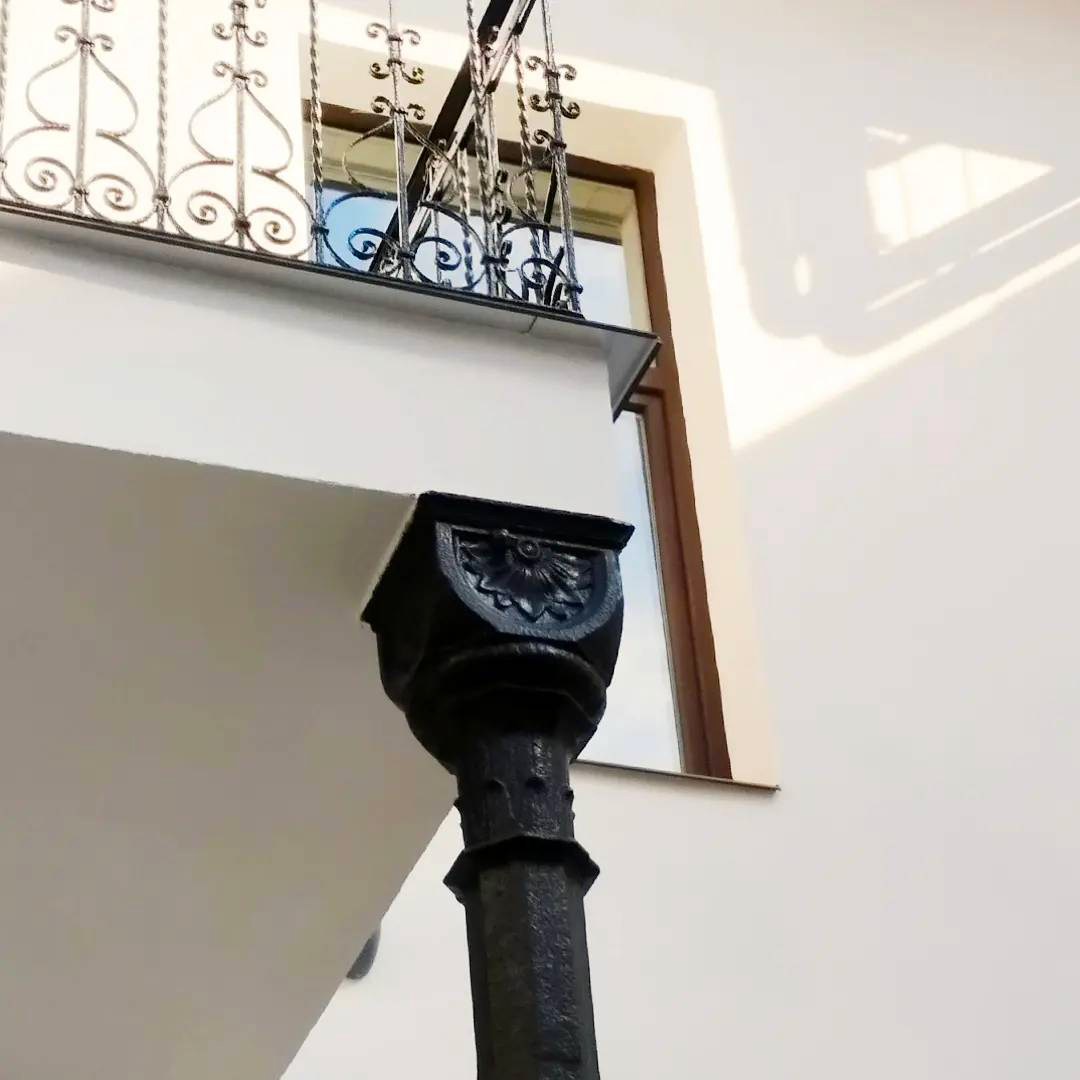
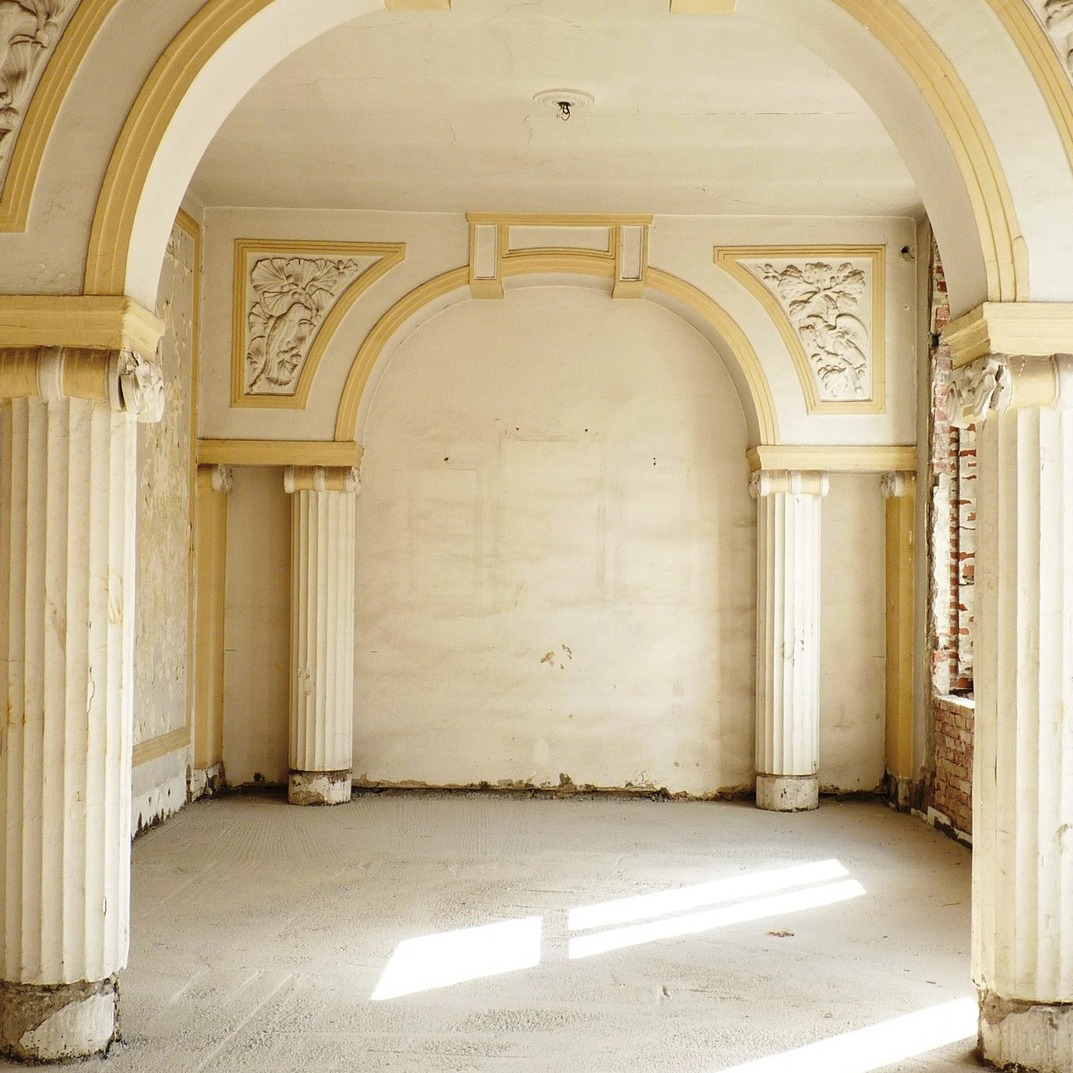
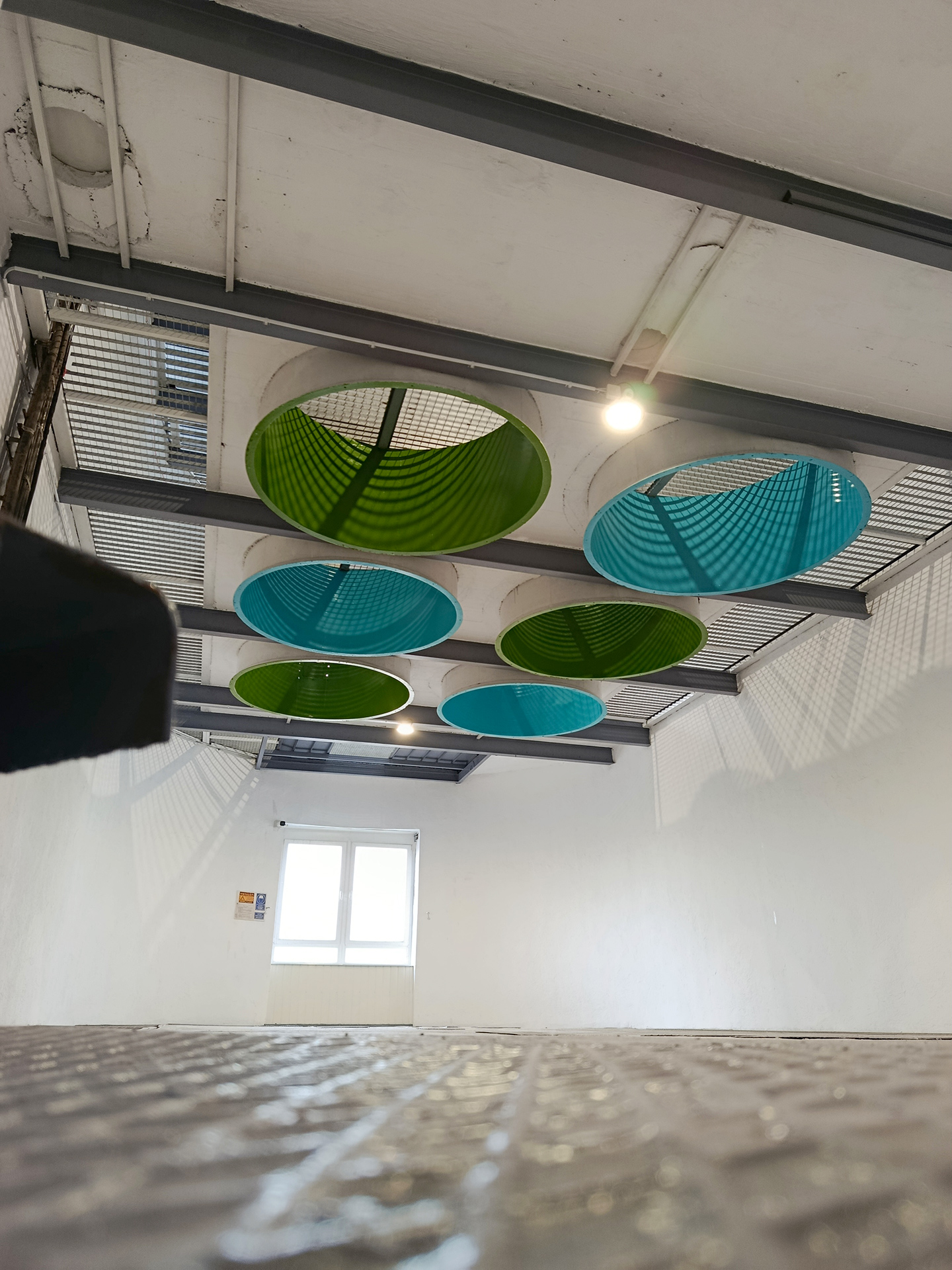
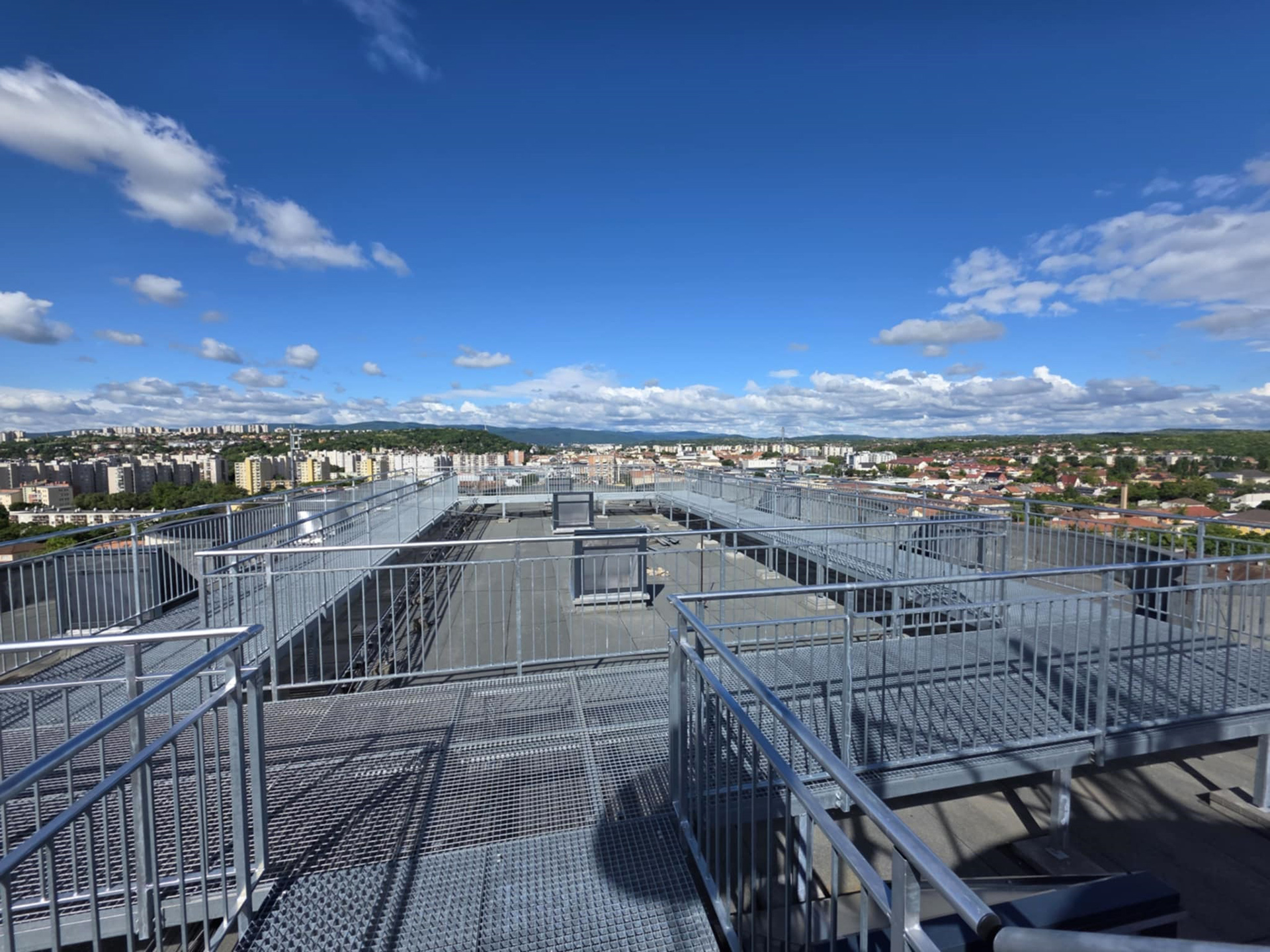
We would like the former mill to continue to fulfill the community-building function that was characteristic of all mills, from small to large. Thank you for contributing to this goal with the price of your admission ticket!